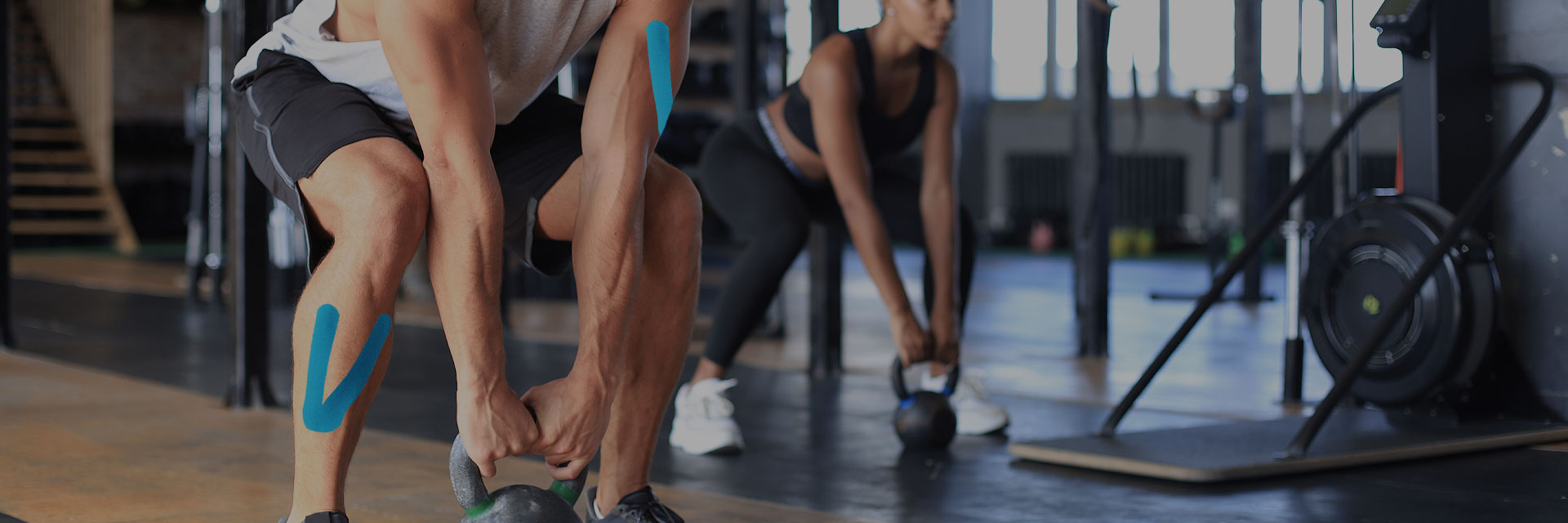
Kinesiology Tape: Principles, Mechanisms, and Technical Applications in Modern Rehabilitation

Feb 25, 2026

Kinesiology Tape (often abbreviated as KT tape) is an elastic therapeutic tape widely used in sports medicine, physical therapy, orthopedics, and rehabilitation sciences. Unlike traditional rigid athletic tape, kinesiology tape is designed to mimic the elasticity and thickness of human skin, allowing full range of motion while providing continuous sensory input to the neuromuscular system.


Material Science and Physical Properties

Kinesiology tape is engineered with specific biomechanical characteristics:

  • Elasticity: Typically stretches to 130–180% of its resting length, approximating muscle extensibility.
  • Cotton substrate: Breathable and flexible, reducing skin irritation and moisture buildup.
  • Medical-grade acrylic adhesive: Heat-activated, latex-free, and designed for multi-day wear.
  • Wave-pattern adhesive: Facilitates skin lifting and airflow while minimizing adhesive surface contact.

These properties allow the tape to deform dynamically with movement, creating subtle mechanical and neurological effects.


Biomechanical and Neurophysiological Mechanisms

Skin Lifting and Decompression

When applied with stretch, the tape recoils after application, forming microscopic convolutions in the skin. This is theorized to:

  • Increase interstitial space
  • Reduce mechanical pressure on nociceptors
  • Improve local blood and lymphatic circulation

While debated in research, decompression remains a core theoretical mechanism.

Proprioceptive Stimulation

The tape stimulates cutaneous mechanoreceptors, enhancing afferent feedback to the central nervous system. This sensory input can:

  • Improve joint position sense
  • Enhance motor control
  • Modify movement patterns subconsciously

This effect is especially relevant in injury prevention and neuromuscular retraining.

Muscle Facilitation and Inhibition

Application direction and tension are used to influence muscle tone:

  • Facilitation: Applied from origin to insertion with moderate tension to support underactive muscles.
  • Inhibition: Applied from insertion to origin with lighter tension to reduce overactivity or spasm.

Though evidence is mixed, clinicians frequently report functional improvements when combined with active therapy.


Technical Application Parameters

Tape Tension

Tension is a critical variable:

  • 0–10% (paper-off tension): Lymphatic and pain applications
  • 15–35%: Muscle support and proprioception
  • 50–75%: Structural or mechanical correction
  • 100%: Rarely used; risks skin irritation and reduced effectiveness

Improper tension is one of the most common causes of failed outcomes.

Shape and Cutting Techniques

  • I-strip: General muscle or joint applications
  • Y-strip: Surrounds muscle bellies or patella
  • X-strip: Crosses joints or large muscle groups
  • Fan / web: Lymphatic drainage and edema control

Rounded edges reduce premature peeling and improve wear time.

Skin Preparation

Optimal adhesion requires:

  • Clean, dry skin
  • Hair removal if excessive
  • Avoidance of lotions or oils
  • Post-application friction to activate adhesive

Environmental factors such as humidity and sweat significantly affect tape longevity.


Clinical Applications

Musculoskeletal Rehabilitation

Common uses include:

  • Shoulder impingement syndromes
  • Patellofemoral pain
  • Lumbar instability
  • Plantar fasciitis

Kinesiology tape is most effective when used as an adjunct to exercise therapy, not as a standalone treatment.

Sports Performance

Athletes use tape to:

  • Enhance movement awareness
  • Delay fatigue-related movement breakdown
  • Provide psychological confidence without restricting motion

Importantly, it does not mechanically stabilize joints in the way rigid tape or braces do.

Lymphatic and Post-Surgical Care

Fan-shaped applications are frequently used for:

  • Post-operative swelling
  • Lymphedema
  • Bruising management

These applications typically use minimal tension and extended wear times.


Evidence-Based Perspective

Scientific literature on kinesiology tape shows variable results:

  • Stronger support for short-term pain reduction and proprioceptive effects
  • Inconsistent findings for strength enhancement or long-term outcomes

Consensus among clinicians is that KT tape works best when:

  • Integrated into a broader rehabilitation plan
  • Applied with precise technique
  • Combined with patient education and movement correction

Limitations and Contraindications

Limitations

  • Not a substitute for strength or mobility training
  • Highly technique-dependent
  • Subject to placebo and expectation effects

Contraindications

  • Open wounds or skin infections
  • Known adhesive allergies
  • Fragile or compromised skin
  • Deep vein thrombosis (for lymphatic applications)

Proper screening is essential before use.


Future Directions and Innovations

Ongoing research explores:

  • Smart tapes with embedded sensors
  • Improved adhesive technologies
  • Standardized application protocols
  • Integration with motion analysis and wearable tech

These advancements may help bridge the gap between clinical anecdote and biomechanical certainty.


Kinesiology tape is a sophisticated therapeutic tool rooted in biomechanics, neurophysiology, and material science. While not a cure-all, its ability to provide continuous, non-restrictive sensory input makes it a valuable component of modern rehabilitation and performance optimization. When applied skillfully and used within evidence-informed practice, kinesiology tape can meaningfully support recovery, movement efficiency, and patient confidence.
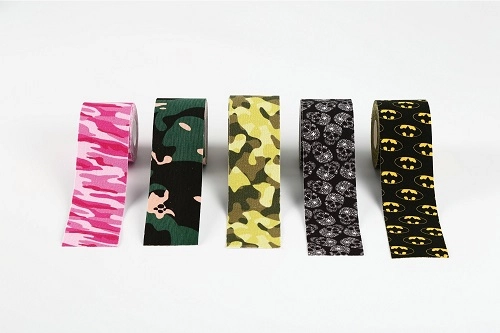
Custom Kinesiology Tape